
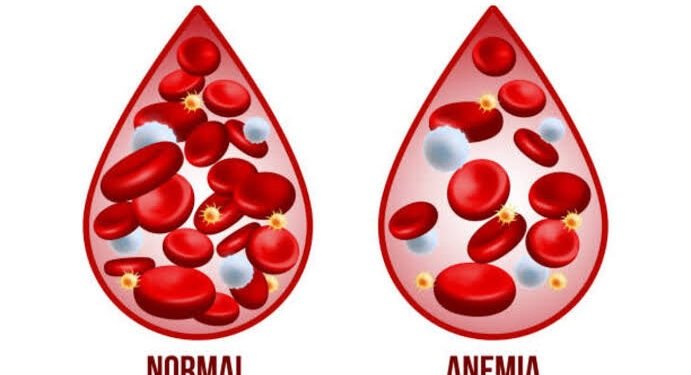
Srinagar, Jan 10: A quiet but deeply worrying health crisis is unfolding in Jammu and Kashmir, where more than 72 per cent of children below the age of five are suffering from anaemia — one of the highest figures recorded anywhere in the country. Doctors warn that behind this statistic are thousands of young lives at risk of poor growth, weak immunity and long-term developmental setbacks.
According to the Children in India 2025 report released by the Ministry of Statistics and Programme Implementation and accessed by Kashmir News Observer, 72.7 per cent of children in Jammu and Kashmir are anaemic. The data shows that 73.9 per cent of boys and 71.4 per cent of girls are affected. Rural areas fare worse, with anaemia prevalence at 73.5 per cent, compared to 70.1 per cent in urban regions.
Medical experts describe the situation as a serious public health concern. Anaemia in children means their blood does not carry enough oxygen due to low haemoglobin levels, leading to constant tiredness, frequent infections, delayed physical growth and impaired brain development. Over time, this can reduce learning ability and affect a child’s overall future.
Dr Shabeena Shah, a child specialist, said nutritional deficiency remains the leading cause of anaemia among young children in Jammu and Kashmir. “Iron deficiency is the most common cause. Children grow rapidly in the early years and their iron requirement is very high, but many diets simply do not meet those needs,” she said. She added that deficiencies of folate and vitamin B12 also play a role, but Iron Deficiency Anaemia remains the dominant form.
Dr Shah pointed out that many children rely heavily on staple grains, with little intake of iron-rich foods such as green leafy vegetables, lentils, eggs, meat or fortified cereals. She also highlighted the intergenerational nature of the problem, noting that children born to anaemic mothers are far more likely to suffer from anaemia themselves. “If a mother has low iron stores during pregnancy, the baby starts life with a disadvantage,” she explained.
Echoing similar concerns, Dr Showkat Hussain said feeding practices after the first six months of life are a critical factor. “Breastfeeding is extremely important and provides iron that is easily absorbed by infants, but after six months, breast milk alone is not enough to meet a child’s iron needs,” he said. If iron-rich complementary foods are not introduced properly, the risk of anaemia rises sharply.
Dr Hussain added that infections such as hookworm and other gastrointestinal illnesses further worsen the situation by causing blood loss and reducing nutrient absorption. “This is why routine deworming and timely immunisation are crucial in preventing anaemia,” he said.
Doctors also warned against inadequate complementary feeding, where children are given mostly watery cereals or liquid foods with little nutritional value. While junk and fried foods do not directly cause anaemia, they indirectly contribute by replacing healthier options. “These foods fill the stomach but provide empty calories, with almost no iron, vitamins or minerals,” doctors said.
Health experts stressed the need for timely introduction of iron-rich foods after six months of age, including lentils, beans, green leafy vegetables, eggs and meat, along with vitamin C-rich foods like citrus fruits and tomatoes to improve iron absorption. They also advised families to limit packaged snacks and fried foods in young children’s diets.
Doctors said government initiatives such as Anaemia Mukt Bharat and Mission Poshan 2.0 are crucial in tackling the crisis, as they provide iron and folic acid supplementation for children and mothers. Regular supplementation, fortified foods, deworming and sustained awareness can significantly reduce anaemia rates if implemented effectively.
“Addressing childhood anaemia is not just about food,” doctors said. “It is about securing a healthier future for an entire generation.”

Recent Comments