
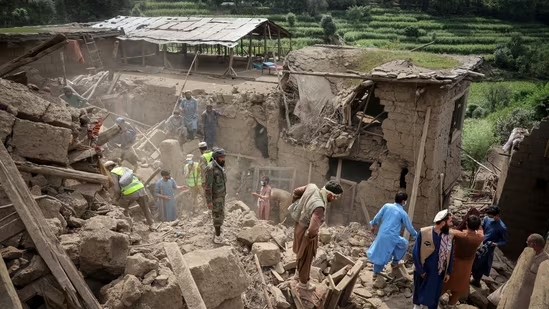
Kabul, Sept 6: In earthquake-hit regions of Afghanistan, women are being left behind in rescue efforts. Centuries-old cultural rules are stopping male rescuers from helping women trapped under debris.
The deadly 6.0-magnitude earthquake and powerful aftershocks have killed more than 2,200 people. But for many women, survival has become even harder—not just because of the disaster, but because of tradition.
No Female Rescuers, No Help for Women
Afghanistan’s strict gender norms forbid unrelated men from touching women. As a result, rescue teams are not pulling out trapped women. Some are even dragging out the bodies of women by their clothes, to avoid direct contact.
“They gathered us in one corner and forgot about us,”
— Bibi Aysha, a survivor from Kunar province
In Andarluckak village, 19-year-old Bibi Aysha said that rescuers reached them after 36 hours. When they arrived, they helped the men and boys first. The women, some of whom were bleeding, were pushed aside.
Women Treated as If Invisible
Tahzeebullah Muhazeb, a male volunteer, visited Mazar Dara village after the earthquake. He said all-male medical teams avoided contact with women.
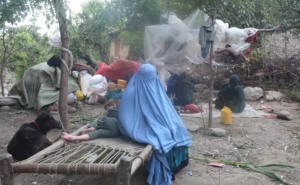
“It felt like women were invisible,” he said.
“Men and children were treated first. The women sat apart, waiting for care.”
This trend has continued in many parts of eastern Afghanistan, where the Taliban’s rules prevent women from working as rescuers or medics. In emergencies like this, those rules are turning deadly.
Tradition is Costing Lives
While injured men and children receive fast care, women are often left waiting. With no female rescuers, many women are dying needlessly under the rubble.
Aid groups and human rights activists are urging urgent policy changes. They want female medical teams to be included in rescue missions. They are also calling for exceptions to cultural restrictions during national emergencies.
A Disaster Within a Disaster
This earthquake has exposed more than damaged homes. It has shown how gender rules can turn disaster into tragedy. In Afghanistan, women face the worst—even in moments when every second counts.

Recent Comments