
New Delhi: India could face the world’s largest long-term impact of chikungunya, with an estimated 51 lakh people at risk annually of the mosquito-borne viral infection, according to a new global modelling study published in the British Medical Journal (BMJ) Global Health.
The study, led by researchers at the London School of Hygiene and Tropical Medicine, found that India, Brazil, and Indonesia are likely to be the three most affected countries, with India and Brazil together accounting for nearly 48 per cent of the global disease burden.
Researchers warned that chronic health complications would pose the biggest challenge, with evidence suggesting that about half of those infected could develop long-term joint pain or disability. Globally, the study estimated that over 1.4 crore (14.4 million) people could be affected by chikungunya every year in the long term.
“The potential spread of vectors carrying viruses like chikungunya won’t wait for years of research,” said Dr. Sushant Sahastrabuddhe, co-author of the study and Associate Director General of Innovation, Initiatives, and Enterprise Development at the International Vaccine Institute, South Korea. “It’s crucial that the model we’ve developed is used in real time to help public health professionals manage current cases and prepare for the future.”
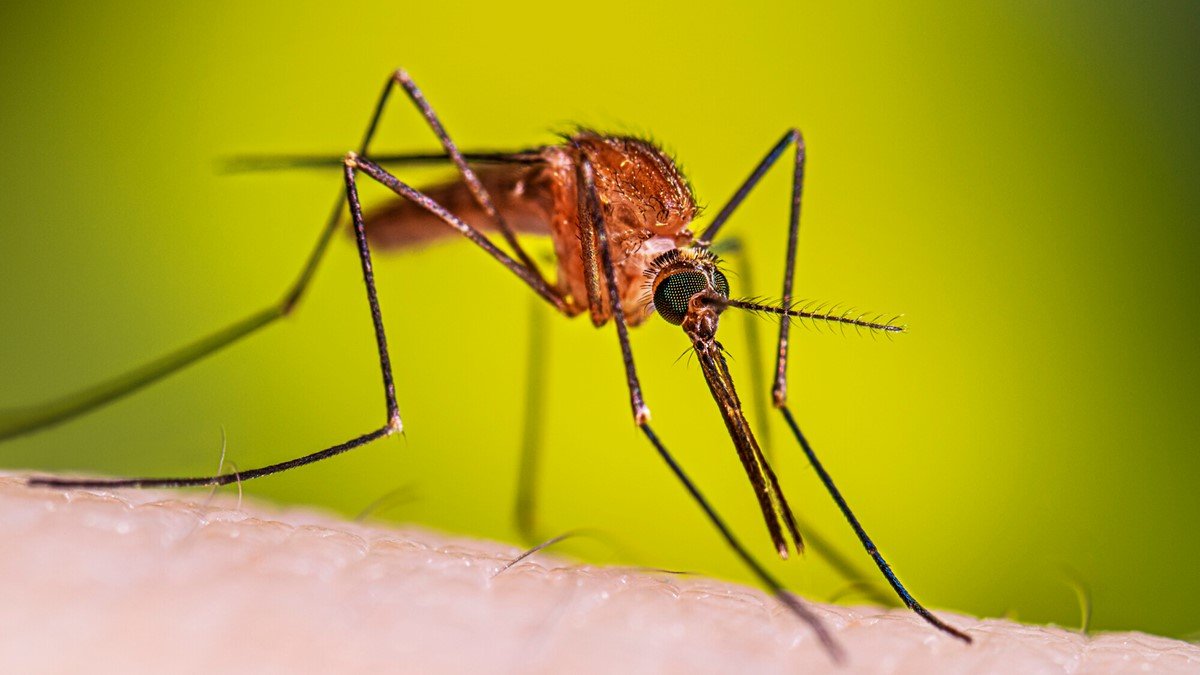
Chikungunya spreads through the bites of Aedes aegypti and Aedes albopictus mosquitoes—commonly known as the yellow fever and tiger mosquitoes. The infection typically causes high fever and severe joint pain, and in about 50 per cent of cases, patients continue to suffer from chronic pain and mobility issues for months or years.
While no specific antiviral treatment exists for chikungunya, two preventive vaccines have been approved in certain countries, including the United States, researchers noted.
This is the first global study to estimate chikungunya’s disease burden by combining available infection data with environmental and demographic factors influencing transmission risk. The authors said earlier estimates based solely on outbreak and surveillance data likely understated the true scale of the disease.
According to the findings, the chronic phase accounts for 54 per cent of the global chikungunya burden, with the 40–60 age group showing the highest prevalence of long-term symptoms. Mortality, however, is disproportionately higher among children under 10 and adults over 80.
“It was widely believed that mosquitoes carrying chikungunya were limited to tropical or subtropical regions,” said Dr. Hyolim Kang, lead author of the study and research fellow at Nagasaki University. “Our analysis shows the risk now extends far beyond these zones. Prevention is crucial for everyone because even the healthiest individuals can suffer lifelong disability.”
The researchers said their estimates could help policymakers prioritise high-risk regions and target vulnerable age groups for vaccine introduction and preventive interventions.

Recent Comments