
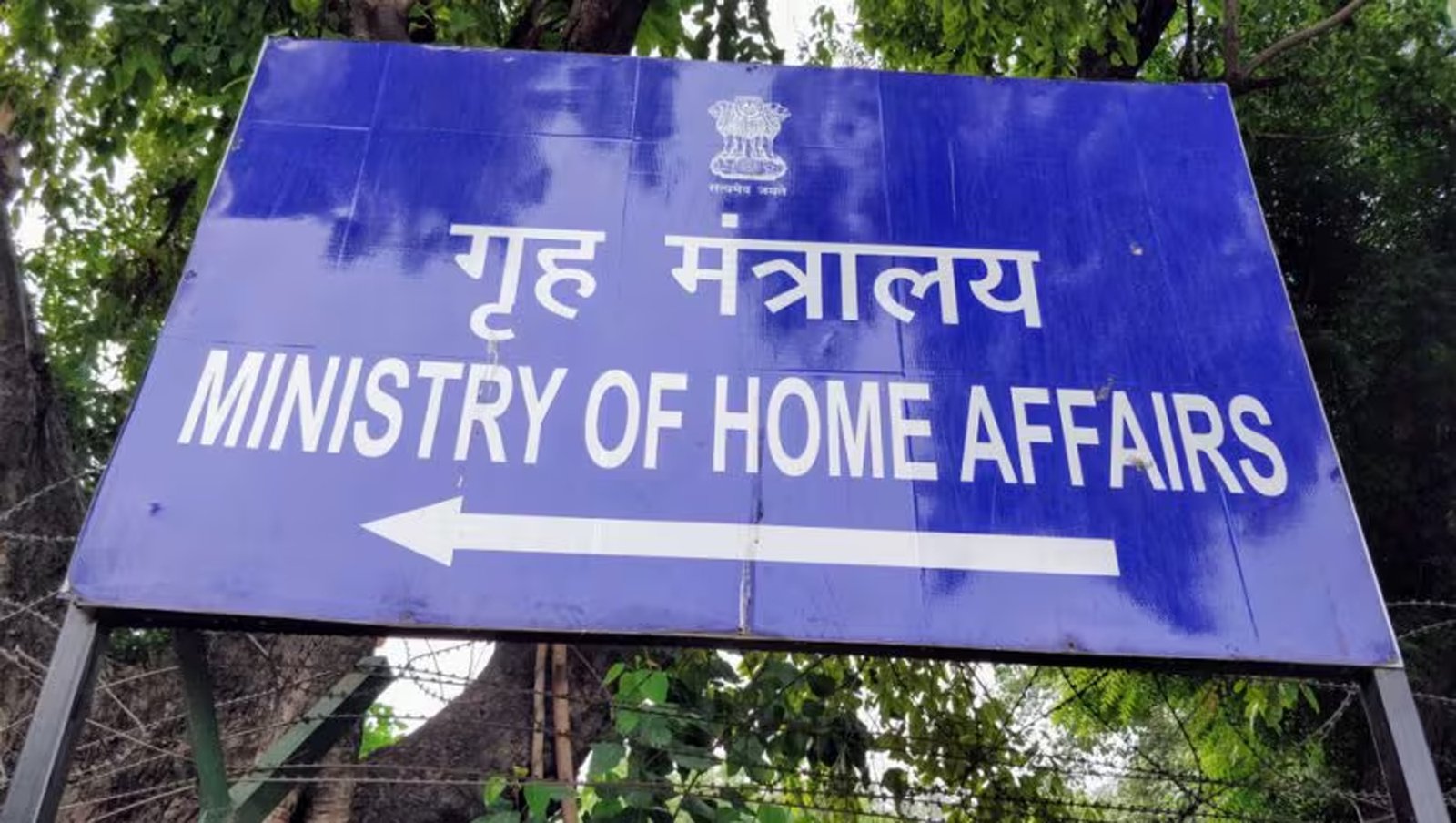
New Delhi, Oct 22: In a tentative step toward restoring dialogue, representatives from Ladakh met with officials of the Union Home Ministry on Wednesday for sub-committee level talks, weeks after four people were killed in police firing during pro-statehood protests in Leh.
The meeting marked the first engagement between the Home Ministry and Leh Apex Body (LAB) and Kargil Democratic Alliance (KDA) since talks broke down following the September 24 clashes, which left four civilians dead and around 90 injured. Both Ladakhi groups had previously abstained from attending discussions with the Home Ministry’s high-powered committee (HPC) scheduled for October 6.
During Wednesday’s discussions, the Ladakhi representatives demanded the immediate release of all arrested leaders, including climate activist Sonam Wangchuck, widely recognised as the face of the agitation. Wangchuck is currently lodged in Jodhpur jail under the National Security Act (NSA), which allows preventive detention of up to 12 months.
The representatives also called for adequate compensation for the families of those killed in the police firing. “We are hopeful that the government will respond positively to our demands,” said Sajjad Kargili of the Kargil Democratic Alliance.
Lok Sabha MP from Ladakh, Mohmad Haneefa, who participated in the meeting, described the engagement as a first step. “This was our first meeting, and we can’t expect much from it. But we raised the issue of immediate release of all those who were arrested on or after September 24, including Sonam Wangchuck,” he told reporters.
The meeting comes in the wake of the Ministry of Home Affairs (MHA) announcing a judicial inquiry into the September 24 clashes. A retired Supreme Court judge, Justice B S Chauhan, has been appointed to head the commission, tasked with examining the “circumstances leading to the serious law and order situation, the police action, and the resultant deaths.” Retired District and Sessions Judge Mohan Singh Parihar will serve as judicial secretary, with IAS officer Tushar Anand as administrative secretary.
The September unrest, triggered by demands for statehood and Sixth Schedule status for the Union Territory of Ladakh, highlighted the region’s long-standing demands for greater political representation, constitutional safeguards, and protection of tribal land and culture.
The LAB and KDA’s core agenda includes:
- Full statehood for Ladakh with its own legislative assembly.
- Autonomous District Councils to safeguard local land rights and cultural heritage.
- Two Lok Sabha seats for better political representation.
- A dedicated recruitment body to address high unemployment among local youth.
- Ensuring job reservations for Ladakhi residents.
The Wednesday talks signal the first thaw in relations between the Centre and Ladakhi leadership since the September violence. Officials said the discussions focused on constitutional safeguards, political autonomy, and pathways for peaceful dialogue, aiming to address long-standing grievances while ensuring law and order in the Union Territory.
Observers said the appointment of a retired Supreme Court judge to lead the inquiry directly addresses demands from local groups for a high-level and impartial investigation, and could pave the way for a more structured dialogue between the government and Ladakh’s civil society and political leaders.
The Home Ministry and Ladakhi representatives are expected to continue discussions in the coming weeks, with hopes of building consensus on statehood, autonomy, and socio-economic safeguards for the region.

Recent Comments