
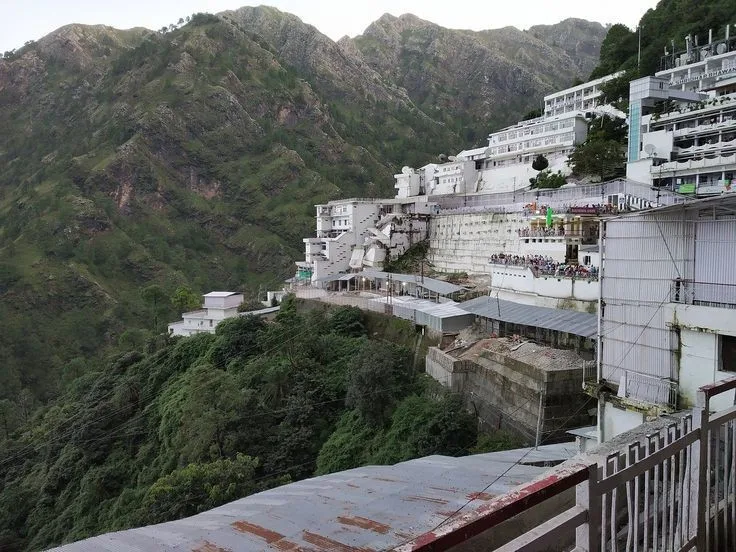
Jammu, July 18 — In a major step towards environmental conservation, the Shri Mata Vaishno Devi Shrine Board (SMVDSB) has adopted drone technology for seed dispersal and planted over 17 lakh saplings as part of its annual green initiative in the ecologically sensitive Trikuta Hills of Reasi district, Jammu and Kashmir.
The initiative aims to preserve the natural beauty surrounding the revered shrine while fostering ecological balance in the region. “We have utilized drone-based seed dispersal and planted more than 1.7 million saplings under the annual green plan,” said SMVDSB Chief Executive Officer Anshul Garg on Friday.
Describing the effort as a “model of institutional collaboration and community engagement,” Garg credited the success to coordinated efforts between the Shrine Board and environmental partners.
A key collaborator in the initiative is the Central Government Pensioners Welfare Association (CGPWA), Jammu, which has played a pivotal role in promoting eco-conscious practices through its extensive grassroots network.
“CGPWA’s involvement has significantly strengthened awareness and encouraged sustainable living among the local population,” Garg noted.
To further support the cause, the SMVDSB and CGPWA have reopened the Vaishnavi Vatika plant sale counter at Vaishnavi Dham in Jammu, coinciding with the onset of the monsoon. The counter offers around 28 native plant species, carefully cultivated in the Shrine Board’s high-tech nursery at Kunia village near Katra.
“These species are not only well-suited to the local climate and ecosystem but also provide an opportunity for the public to actively participate in environmental conservation,” Garg added.
The Shrine Board, under the chairmanship of the Lieutenant Governor of Jammu and Kashmir, continues to implement a wide range of eco-friendly measures — including solar energy use, water and waste management, and extensive greening drives — to enhance sustainability across the shrine complex.
The initiative underscores SMVDSB’s long-term commitment to preserving the ecological integrity of the Trikuta Hills while integrating green values into pilgrimage infrastructure and public life.

Recent Comments