
New Delhi, Sep 18: The United States has revoked and denied visas to a number of Indian business executives and corporate leaders over their alleged involvement in trafficking fentanyl precursors, the US embassy in New Delhi announced on Thursday. While the embassy did not disclose the names of the individuals or companies, it said the action was part of Washington’s intensified crackdown on the illegal drug trade.
Fentanyl, a highly potent synthetic opioid, has been linked to a severe addiction crisis in the United States. According to a US intelligence report earlier this year, fentanyl and other synthetic opioids caused more than 52,000 deaths in the 12-month period ending October 2024.
Visa action under US immigration law
“These actions are taken pursuant to section 221(i), section 212(a)(2)(C), and 214(b) of the Immigration and Nationality Act,” the embassy said in a statement. “As a result of this decision, these individuals and close family members may be ineligible for travel to the United States.”
It further noted that executives linked to companies suspected of trafficking fentanyl precursors will face heightened scrutiny if and when they apply for US visas.
Jorgan Andrews, the US Embassy’s chargé d’affaires, underscored Washington’s toughened stance. “Individuals and organizations involved in the illegal production and trafficking of drugs to the United States, along with their families, will face consequences that may include being denied access to the United States,” he said.
Cooperation with India
The statement stressed that stopping the flow of fentanyl precursors is a top US priority and highlighted ongoing cooperation with Indian authorities. “We are grateful to our counterparts in the Government of India for their close cooperation to combat this shared challenge. Only by working together will our two governments address this transnational threat and keep both our people safe from illicit drugs,” Andrews said.
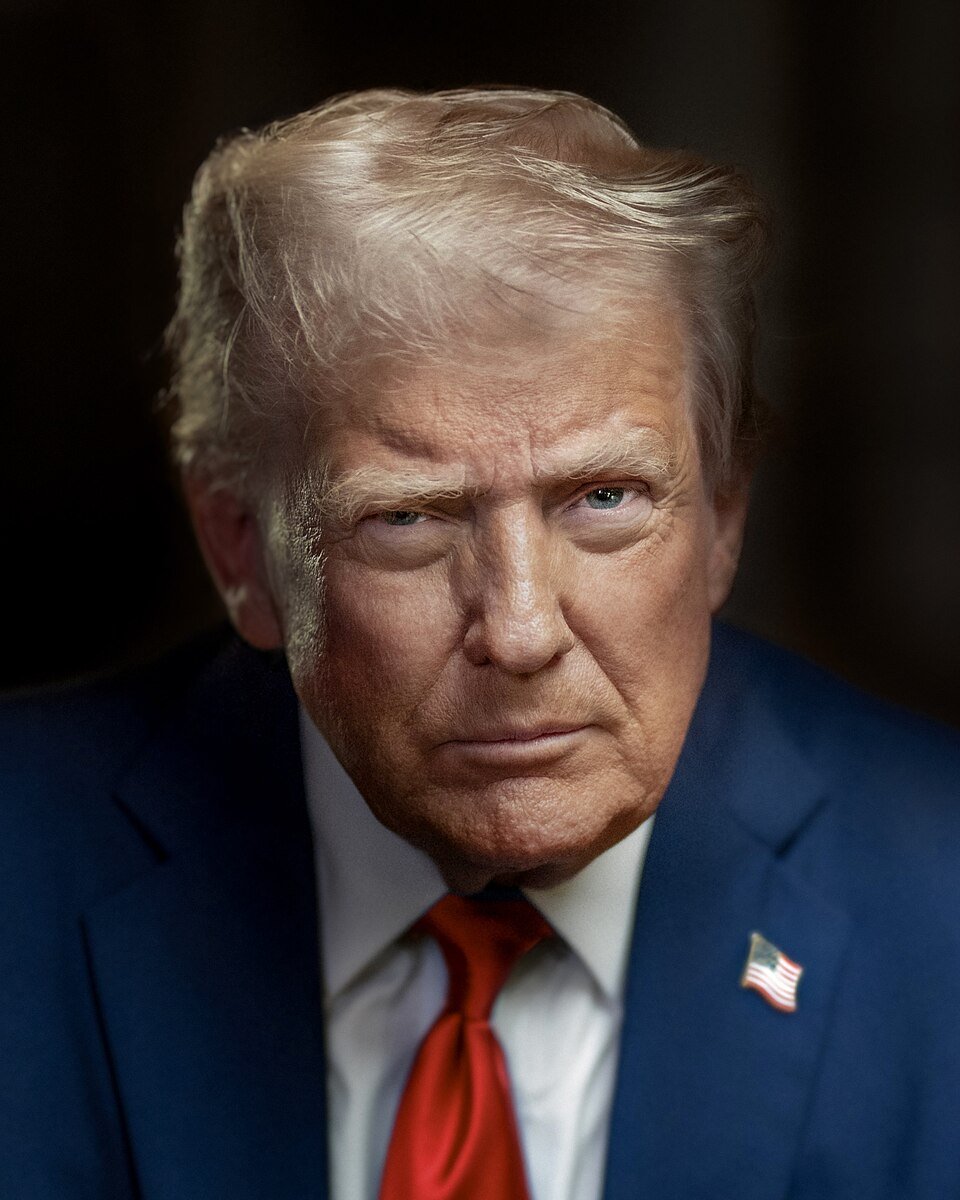
The embassy also linked the action to broader policies of the Trump administration, which has rolled out executive orders to strengthen border security, disrupt drug trafficking networks, and push for accountability from source countries.
India on Trump’s “Major’s List”
The move came a day after US President Donald Trump named India, along with China, Pakistan, and Afghanistan, among 23 “major drug transit or illicit drug-producing” countries. In a ‘Presidential Determination’ submitted to Congress, Trump accused these nations of enabling the manufacturing and trafficking of narcotics and precursor chemicals that threaten American lives.
While five countries—Afghanistan, Bolivia, Burma, Colombia, and Venezuela—were listed as having “failed demonstrably” in their counternarcotics efforts, India was not in that category. The US State Department clarified that inclusion on the list does not necessarily reflect a lack of cooperation but is determined by “geographic, commercial, and economic factors” that facilitate drug transit or production.
Context of growing US scrutiny
India has been a key supplier of pharmaceutical products to global markets, including the US, but Washington has in recent years expressed concerns about the diversion of precursor chemicals into illegal drug production networks. The visa restrictions mark one of the strongest public signals yet of US frustration over the issue.
Analysts said the move could add a new dimension to India-US ties, even as both countries continue to expand cooperation in strategic, trade, and security domains.

Recent Comments