
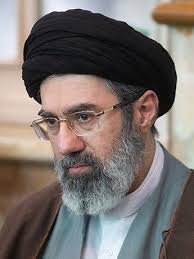
New Delhi/Tehran, Mar 12: Iran’s newly appointed Supreme Leader Mojtaba Khamenei has ordered the strategic Strait of Hormuz to remain closed, escalating tensions in the Middle East amid ongoing hostilities involving Iran, Israel, and the United States.
According to Iranian state media, Khamenei—who was reportedly injured in a recent air strike and has not appeared publicly since being nominated as Supreme Leader on March 8—issued the directive in a message read out by a news anchor on state television.
“The lever of blocking the Strait of Hormuz must definitely be used,” the message said, adding that only a “limited amount” of Iran’s retaliation for U.S. and Israeli strikes had been carried out so far and that the matter would remain among the country’s priorities until its objectives were fully achieved.
Meanwhile, Israel Defense Forces said it had launched a new “wide-scale” wave of strikes across Iran. Explosions were also reported over Jerusalem after the Israeli military said missiles had been fired from Iranian territory.
Amid concerns over potential disruptions to global oil supply, India said its energy situation remains stable. Union Petroleum and Natural Gas Minister Hardeep Singh Puri said that India has significantly diversified its crude sourcing.
He stated that nearly 70 per cent of India’s crude imports now come from routes that do not pass through the Strait of Hormuz, ensuring the country’s energy security despite the geopolitical tensions.
In a related development, a Liberian-flagged oil tanker captained by an Indian reached Mumbai on March 11 carrying crude oil from Saudi Arabia. The vessel had transited through the Strait of Hormuz after receiving clearance from Iranian authorities.
The Strait of Hormuz is considered one of the world’s most critical oil transit chokepoints, with a significant portion of global crude shipments passing through the narrow waterway connecting the Persian Gulf to international markets. Rising tensions in the region have raised fears of disruptions in global energy supplies and increased volatility in oil prices.

Recent Comments